When your pet needs specialized care, a veterinary laboratory plays a critical role in providing accurate diagnostics and treatment guidance.
In this article, we’ll explore what veterinary labs do, what services they offer, how to find one near you, and why choosing the right lab matters.
Let’s start by understanding exactly what a veterinary laboratory is and why it’s essential in modern animal healthcare.
What Is a Veterinary Laboratory?
These labs support veterinarians by providing critical diagnostic insights that can’t be seen during a physical exam alone.
Larger labs may also offer molecular diagnostics, genetic screening, and advanced pathology services.
In the US, veterinary laboratories can operate as standalone diagnostic centers, be integrated into veterinary hospitals, or work as part of nationwide networks.
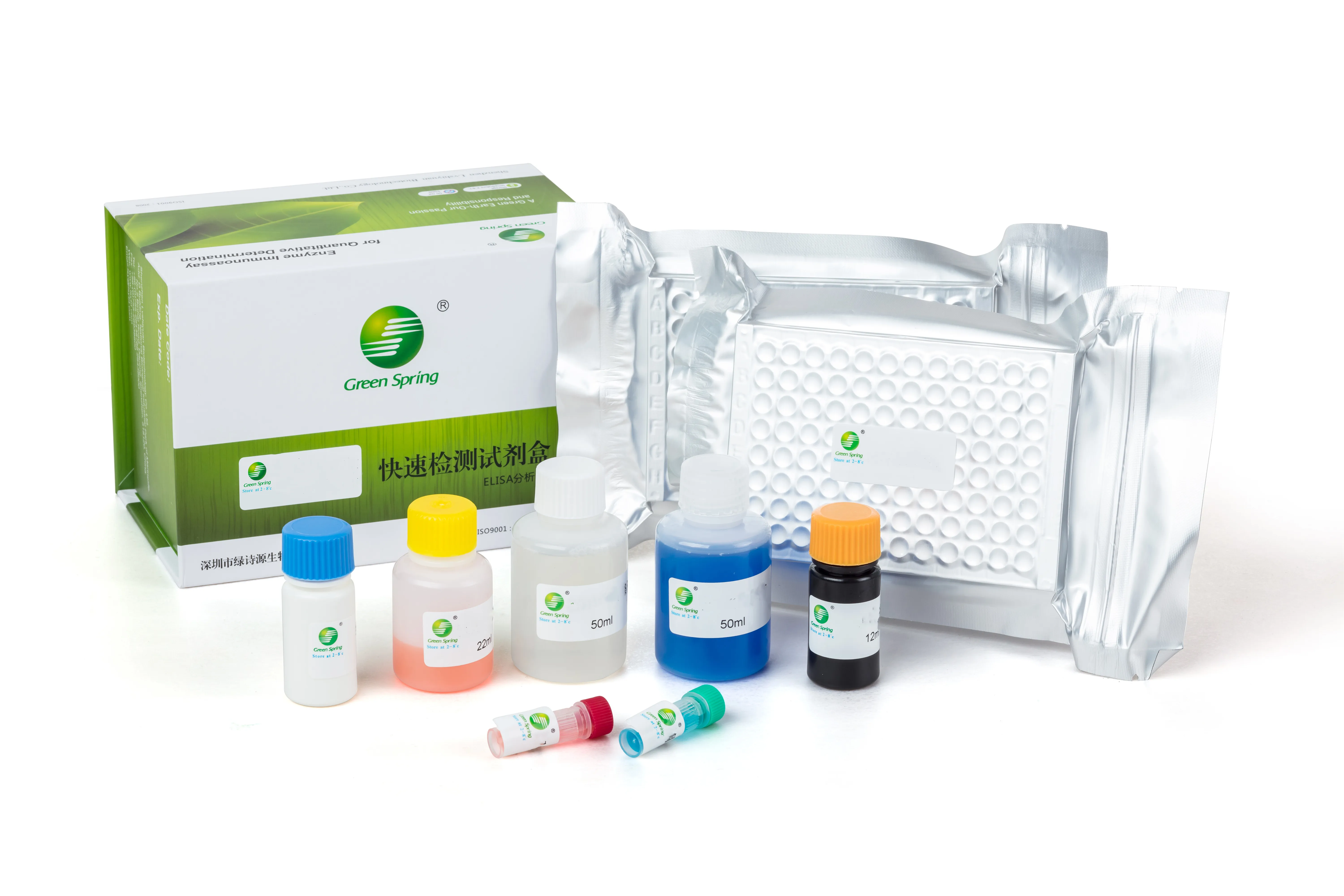
Understanding Veterinary Lab Diagnostics
Routine blood tests, such as complete blood counts (CBC) and blood chemistry panels, provide insights into organ function, immune response, and general wellness.
For more specialized diagnostics, veterinary labs offer cytology (examining cells under a microscope), biopsies, hormone level testing (such as thyroid or cortisol), and infectious disease panels.
These tests are essential for early disease detection, accurate diagnosis, and treatment planning.
Finding the Best Local Veterinary Diagnostic Lab
Start by asking your veterinarian—they often have trusted partnerships with local or national labs and can guide you to the right provider.
Online directories and veterinary associations can help locate accredited labs in your area.
Choosing the right local lab ensures quick turnaround, reliable results, and peace of mind.

When to Use a 24-Hour Veterinary Lab
Not all veterinary labs operate the same way.
If your pet is facing a life-threatening condition—such as sudden collapse, poisoning, or acute trauma—a 24-hour lab can deliver rapid results needed for immediate treatment.
Balancing speed, cost, and specialization ensures your pet gets the right level of diagnostic support when it matters most.
The Importance of Veterinary Lab Testing
Veterinary diagnostics are the backbone of modern animal healthcare.
In chronic cases, regular lab monitoring ensures medications remain effective and side effects are minimized.
This partnership between lab, vet, and pet owner is what keeps animals healthy and thriving.
Conclusion: Choosing the Right Veterinary Lab for Your Pet
In today’s world, ensuring your pet receives top-quality descubra como care means laboratório de veterináriadescubra mais partnering with the right veterinary laboratory.
The combination of expert veterinary care and reliable diagnostics is what keeps pets healthier, longer.
As veterinary medicine continues to evolve, so do the diagnostic tools available to monitor and protect your pet’s health.
Your Veterinary Lab Questions Answered
What does a veterinary lab do?
These labs support veterinarians by providing accurate, fast diagnostic information essential for proper care.
Where can I get my pet tested locally?
You can also search online directories or check with veterinary associations to find accredited labs in your area.
What emergencies require urgent lab testing?
Always consult your emergency vet to determine the best course of action.
What are common veterinary diagnostic services?
These tests help detect infections, organ issues, cancers, and metabolic diseases.
Are veterinary diagnostics expensive?
Your veterinarian can provide estimates and help prioritize necessary diagnostics.